


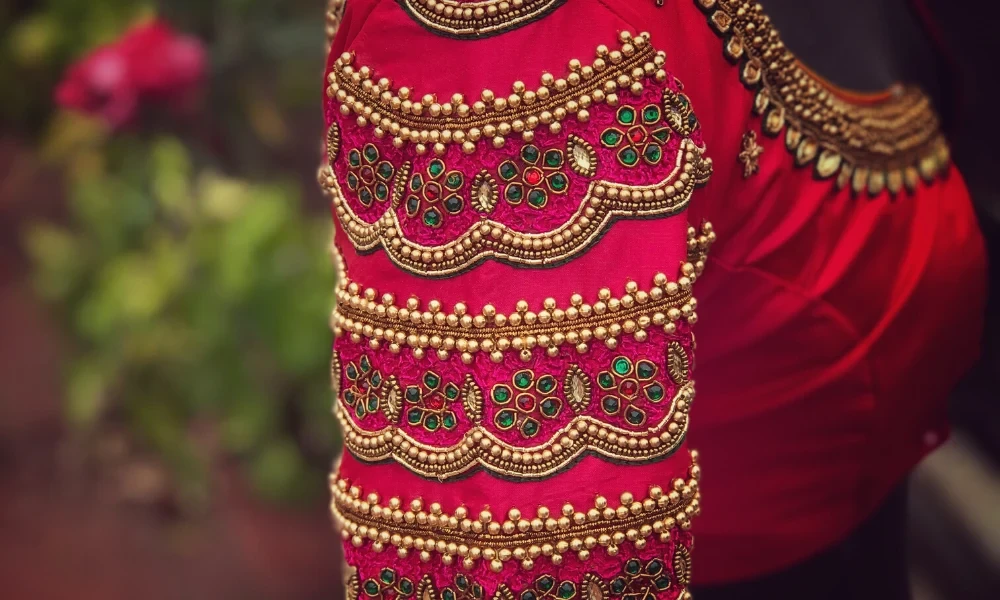

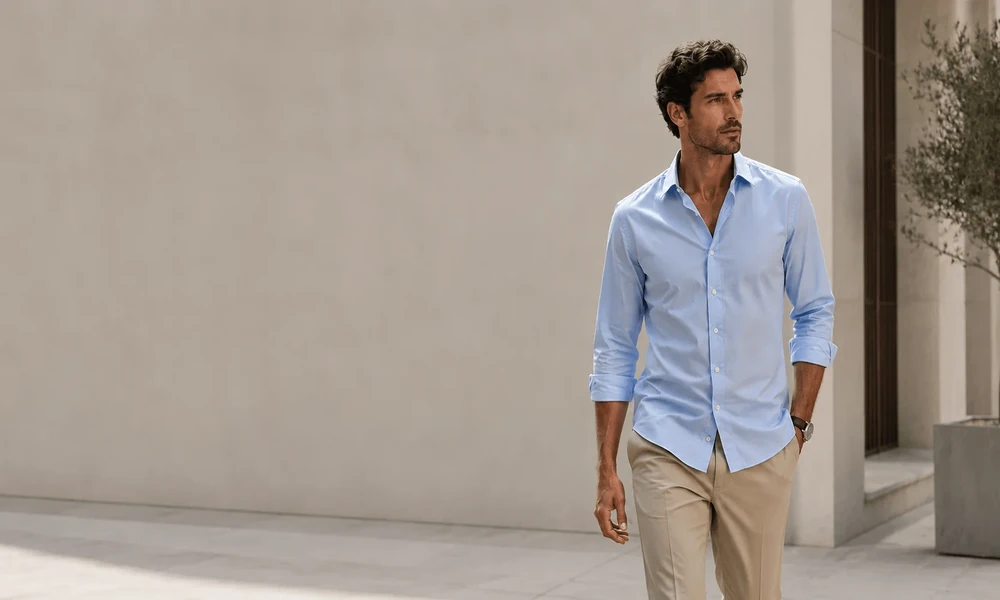
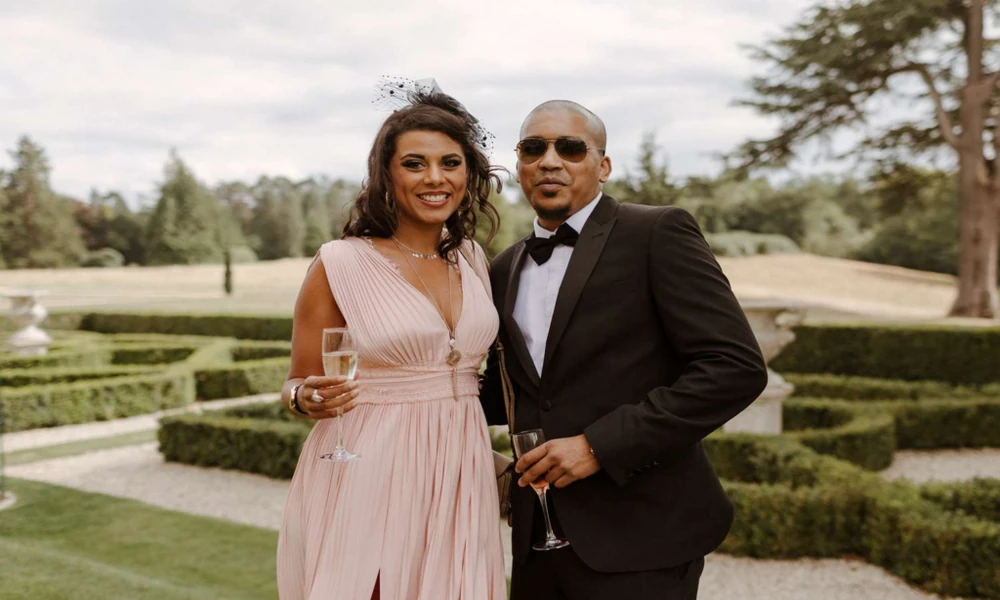

Building an ethnic wardrobe that actually gets used is more straightforward than it might seem; the key is starting with pieces that work for everyday occasions and letting the more celebratory additions build naturally around them. It’s a simple shift in approach that makes the whole wardrobe feel more intentional and worthwhile. Biba is one of those brands that covers both ends of that range really well.
Ethnic Wear by Occasion: A Reference Table
Occasion fit in ethnic wea r comes from fabric, embellishment, and outline working together, not from any single factor.
| Occasion | Style | Fabric | Embellishment |
| Daily / Office | Straight kurta, kurti | Cotton, linen | Minimal |
| Casual outing | A-line, printed kurta | Rayon, cotton | Light prints |
| Semi-formal | Kurta set with dupatta | Silk blends, georgette | Moderate |
| Festive | Anarkali, embroidered kurta | Silk, net, brocade | Heavy |
| Wedding function | Sharara set, lehenga | Silk, zari | Heavily embellished |
Biba Kurta Set: Built-In Coordination for Occasions
A Biba Kurta Set removes the pairing problem that comes with buying a kurta on its own. The matching dupatta and bottom are designed to work together, which is useful for buyers who do not want to spend time coordinating pieces for every occasion they dress for.
Biba Kurtas: Flexibility for Everyday Rotation
Biba Kurtas bought as individual pieces give considerably more flexibility for buyers who already own a base of palazzos, churidar, or ethnic pants. The range spans printed and solid options across cotton, rayon, and georgette, with neckline and sleeve variations that work for office as well as casual settings.
Buying individually rather than as a set means each piece pairs with multiple bottoms rather than a single matched combination. For buyers building a daily ethnic rotation rather than stocking for specific events, this is the more efficient approach. Printed Biba Kurtas in cotton wear well in offices where ethnic dress is accepted, but heavy embellishment would feel out of place.
What Makes an Everyday Ethnic Piece Work
Cotton and linen are the most functional choices for daily wear in warm climates; they breathe, wash without damage, and need no specialist care. Rayon drapes better and reads slightly dressier but loses durability faster across machine washing. Georgette and silk blends are better saved for occasions where appearance takes priority over performance.
To Wrap Up
Ethnic wear earns its keep when it is built for regular rotation rather than a single outing. AJIO brings you over 1000+ choices of ethnic wear across brands, styles, and occasions. You can return your purchase within 30 days of delivery.
FAQs
Are Biba kurta sets suitable for office wear?
Biba kurta sets in cotton with solid colours or block prints and minimal embellishment fit into business-casual offices without looking out of place. Heavily embroidered sets tend to read more festive than professional, so those are better saved for other occasions.
Shorter Biba kurtas, ones that hit at or above mid-thigh, pair really naturally with straight or slim-fit jeans for a casual Indo-Western look. If you’re working with a longer style, churidar or palazzos tend to balance the proportions better.
Wedding functions generally call for something a little more special than everyday ethnic wear; richer fabrics and more embellishment make a noticeable difference. The Biba kurta set in embroidered silk blend is a good choice for day functions, and the pieces with zari work or net detailing look better for evening ceremonies.
The biggest difference between them is length. A kurta is generally longer and comes down to the knees. But a kurti is short, and you can wear it with jeans.