






A pimple is not a welcome sight, big or small. Pimple Patches is a good solution, whether you deal with acne regularly or an occasional blemish. A hydrocolloid patch is one kind of pimple patch. It is sold over the counter.
Pimples should not be popped. Yet, the real deal here is that you cannot keep your hands off a readily exploding zit. A pimple patch minimizes pimples or heals the open wound you just created.
Pimple patch
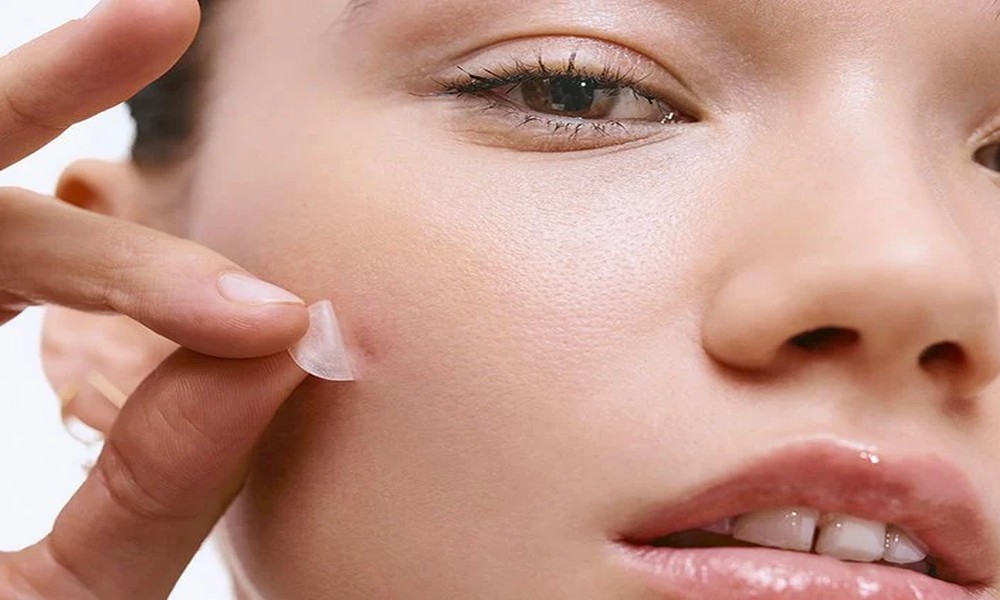
A pimple patch is a small sticker made with a slightly gummy healing gel called hydrocolloid. It shrinks pimples and keeps skin mend faster if you have clawed at it. The patch keeps skin recovered by minimizing the damage. Many have been using these patches for decades and users find it effective. It works fine to their pimples, helping it heal quickly.
Pimple stickers work
Pimple stickers are most effective when placed on open and oozing zits. They can reduce the redness and size of closed pimples. There are two main functions of the patches:
- Absorbs fluids to drain open zit and unclog pores
- Covers the blemish to protect it from infection
Pimple stickers are wound healing dressings for a very specific type of lesion. They are spot treatments that help if you have an open-wound pimple, including:
- Papules. It is a small, inflamed bump caused by excess oil on the skin.
- Pustules. Pus-filled pockets
- Cysts. It raised bumps filled with white or thick yellow fluid.
- Whiteheads. It is closed with yellowish or white bumps filled with dead skin cells and oil.
Types of pimple stickers
Pimple stickers are available in different sizes. It targets different types of breakouts:
- small individual pimples
- blemishes
- medium-sized cystic acne
There are larger patches for body acne, which target problem areas on:
- arms
- chest
- back
Some patches are hard and clearly noticeable. Others are in different details, such as:
- decorative
- colorful
- different shapes
Some are printed in emojis. You must ensure your skin is dry and clean before putting a pimple patch. The patch is replaced daily. Most pimple stickers fall into three main categories. Knowing each of them helps you determine which one you need.
Non-medical hydrocolloid patch
The patch has absorbent properties and is made with a hydrocolloid film. The film forms a gel when moist, soaking up fluid from the pimple. It is used for:
- surface-level pimples
- whiteheads
Medicated patch
The patch is made with acne fighting ingredients. The medicated patches contain salicylic acid that deals acne. It prevents acne from developing, too. Some of these patches spot-treat pimples with other ingredients, like:
- benzoyl peroxide
- niacinamide
- ceramides
- peptides
- retinol
- bakuchiol
- tea tree oil
Medicated patches target:
- early-stage papules
- pustules
- nodular or cystic pimples
Microneedling patch
These patches are covered with very small dart-like needles on one side. It is designed to penetrate the top layer of the skin, targeting acne causing bacteria. Microneedling patches can be used on:
- deeper nodular
- cystic pimples
FAQs
How long should one use patches to eliminate acne?
Leave a pimple patch for 6 to 12. Replace the patch when it absorbs the fluid. It indicates that the fluid is absorbed when it turns opaque or white. The blemish heals completely by applying new patches for several days.
Can patches cause allergic reactions on the skin?
Yes. Patches can cause allergic reactions on the skin due to:
The reactions show:
It means that anyone planning to use a pimple patch should perform a patch test first.
How to know if you are allergic to pimple patch?
There is a positive reaction if the skin becomes red and itchy during the test.